
Searching for electroacupuncture benefits can produce long lists of conditions and impressive descriptions of electrical stimulation. A more useful starting point is your own situation: what has been assessed, which symptom or activity is difficult and what treatment is already in place?
Electroacupuncture is a particular way of delivering acupuncture. Whether it is appropriate depends on the proposed treatment, your health history and the evidence for the problem being discussed. The presence of a device does not establish that an intervention is stronger, more effective or suitable for everyone.
How does electroacupuncture treatment work?
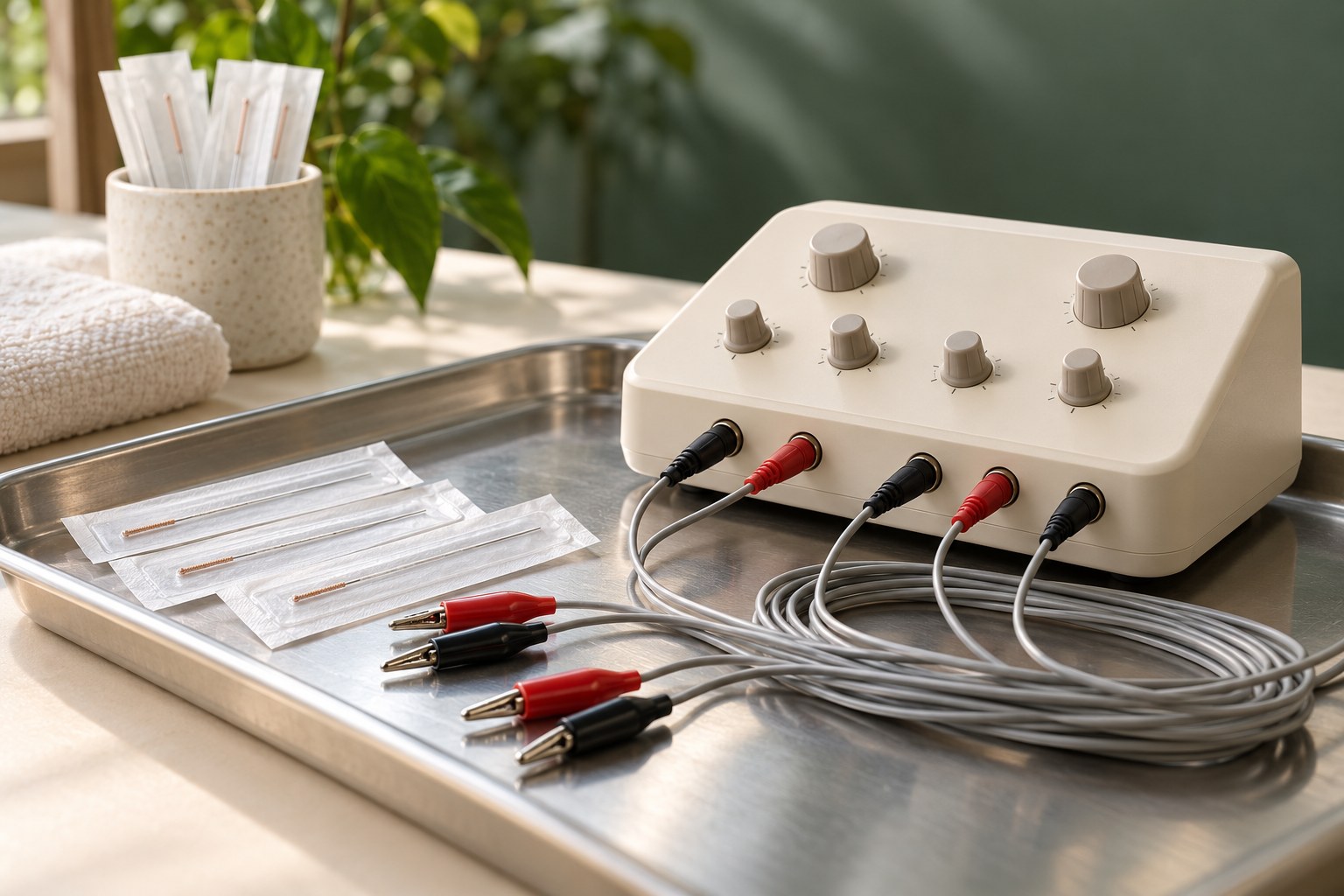
Electroacupuncture uses a small electrical current delivered through acupuncture needles that have been inserted by a practitioner. East Kent Hospitals’ patient information describes this use of electrical impulses as an additional form of needle stimulation.
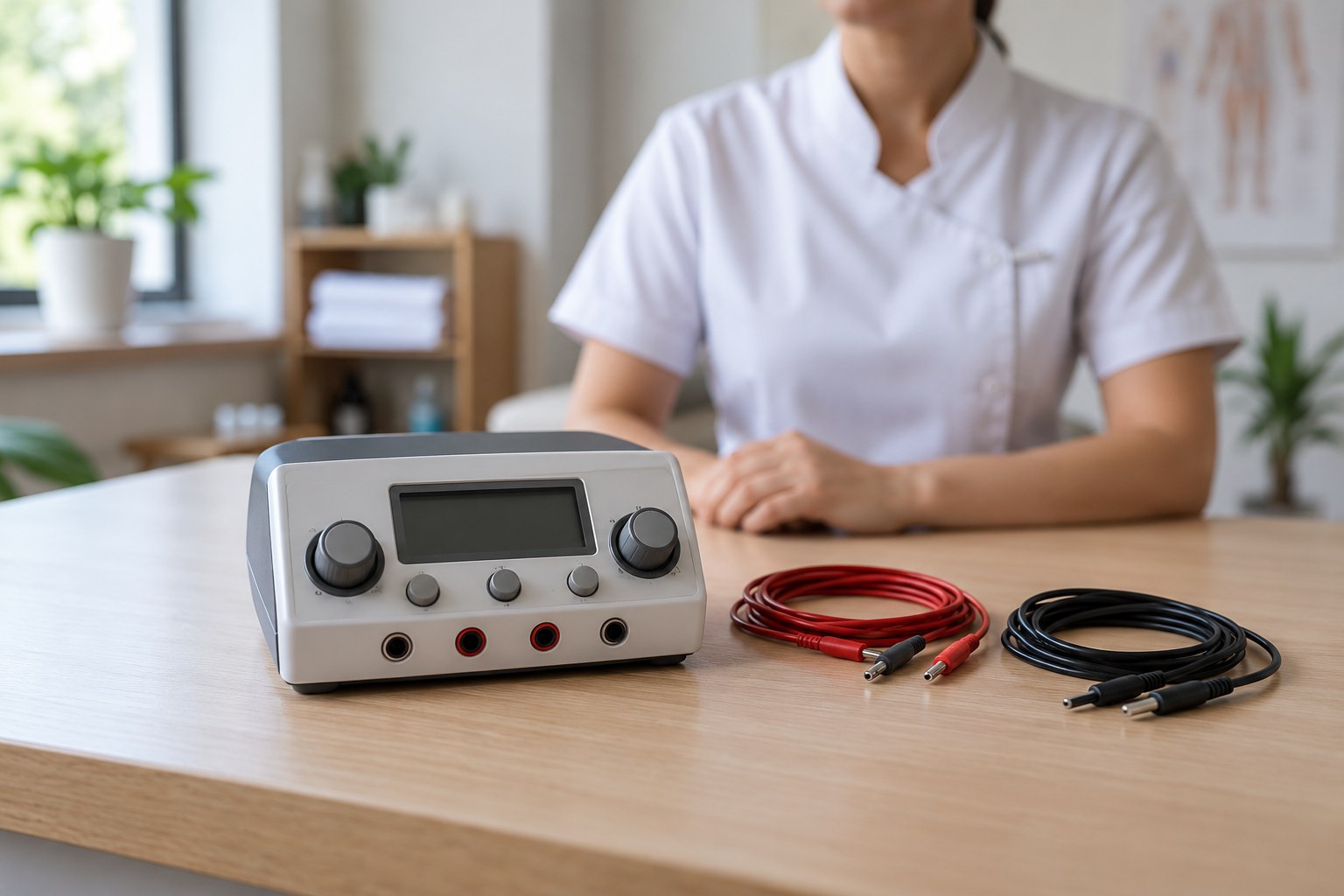
A practitioner may stimulate a needle by hand during manual acupuncture. Electroacupuncture adds a device and leads to stimulate selected needles electrically. Ask the acupuncturist to explain the actual method they propose, including where you would be positioned and how you would communicate during treatment. The electroacupuncture machine is a clinical stimulator controlled by the practitioner; it should be explained before it is switched on.
You do not need to understand electrical settings to give informed consent. You do need an understandable explanation of the purpose, possible benefits, risks and alternatives. A demonstration using disconnected equipment can help you understand the idea before deciding. Ask how needle insertion and connection to the device would be managed, and why using electroacupuncture is being proposed for your particular goal.
Is electroacupuncture the same as TENS?
TENS means transcutaneous electrical nerve stimulation. It delivers stimulation through pads placed on the skin, as the NHS TENS guide explains. Electroacupuncture uses inserted needles, so these procedures should not be treated as interchangeable.
If someone suggests “electrical treatment”, establish which method they mean before reading instructions or buying equipment. A home device and a practitioner-delivered needling procedure require different decisions. Do not transfer settings or instructions between them, and do not connect home equipment to acupuncture needles.
How should you assess the benefits of electroacupuncture?
A useful evidence discussion identifies the people studied, the comparison treatment and the outcome measured. Research on particular chronic pain conditions should be read in that specific context. Pain intensity, daily function and quality of life are different outcomes. An improvement in one does not automatically establish an improvement in all of them.
Ask whether a claim comes from a study of electroacupuncture itself. Research on manual acupuncture, a different electrical treatment or an animal experiment cannot simply be treated as the same intervention in the same patient group.
When discussing an acupuncture treatment within a pain management plan, also ask what the study compared. Waiting for treatment, sham stimulation, medication and rehabilitation create different questions. A positive result against one comparison does not demonstrate superiority over every other option available to you.
A low-back-pain trial illustrates why outcomes matter
A 2020 randomised trial in JAMA Network Open studied 121 adults with chronic low back pain without radiculopathy. It compared electroacupuncture with sham treatment. The main measure of pain severity did not show a statistically significant difference between groups, while a secondary disability measure favoured electroacupuncture.
That is a mixed result, rather than proof of either universal benefit or universal failure. It also concerns a defined group with persistent back pain; it cannot establish an answer for every type of pain or every person with back symptoms.
NICE NG59 currently advises against offering acupuncture for low back pain with or without sciatica. This research example should not be read as a UK guideline recommendation.
When reading a summary, check whether it reports the main outcome as clearly as any positive secondary finding. You should not have to infer that distinction from a headline describing the treatment as successful.
A neck-pain study offers a different example
A 2025 randomised trial of chronic neck pain reported better results on a neck-pain questionnaire with electroacupuncture than sham electroacupuncture, including at a three-month follow-up. The study was conducted at one hospital in China.
This offers condition-specific evidence from one hospital and with a limited follow-up period. It does not establish permanent benefit or show that electroacupuncture is superior to all manual acupuncture approaches.
These examples are not a complete review of every condition. They show why an individual proposal should be tied to the relevant evidence, rather than a broad list of possible effects. Ask what uncertainty remains for the outcome you hope to change.
Who needs particular screening before electrical needle treatment?
Tell the practitioner before booking if you have a pacemaker or another implanted electrical device. Ask whether this means you need to avoid electroacupuncture. Parkbury House Surgery’s information specifically states that its service does not perform electroacupuncture in patients with pacemakers.
Do not assume a low current or a reassuring anecdote settles compatibility with your implant. Ask your device clinic and the practitioner about the proposed procedure before considering treatment, and do not proceed while suitability remains uncertain.
Bring the device information you have, but do not attempt to assess compatibility yourself. Advice about one device or one treatment arrangement should not be copied to another. The appropriate professional needs to consider the actual equipment and your circumstances.
Share your wider health history as well
The Royal Papworth Hospital acupuncture leaflet highlights relevant information including fits or faints, bleeding disorders, anticoagulants, infection risks, pregnancy and electrical implants. Tell the practitioner about your medicines and changes in health since a previous appointment.
This is a discussion about suitability, not a reason to stop prescribed medicine to make treatment possible. Explain any uncertainty and ask whether information from your usual clinician is needed first.
Also describe concerns about needles, positioning or being unable to remain comfortable. Those details affect the practical decision. You can raise them before travelling rather than feeling obliged to accept whatever is proposed after you arrive.
What should you ask about comfort and stopping treatment?
Before treatment, ask how the acupuncturist will introduce the electrical current and check comfort. Agree how you would get their attention if you need a pause, feel unwell or want the procedure stopped.

Use ordinary language during the appointment. “This is sharp”, “I feel dizzy” or “I want to stop” is enough. You are not required to identify whether a sensation has a technical name or therapeutic meaning.
Electrical stimulation should not become a test of endurance. Ask questions whenever the explanation is unclear, including whether a non-electrical option is available. Your earlier agreement does not remove your ability to reconsider during the session.
What are the risks of electroacupuncture and what happens afterwards?
Acupuncture can cause unwanted effects, including bleeding, bruising, faintness or fatigue; the Royal Papworth leaflet also describes uncommon serious complications such as infection and injury from a needle. Ask about risks relevant to the sites and technique proposed for you.
Clarify which symptoms need medical assessment, how to contact the clinic and what to do outside opening hours. New chest pain or unexpected breathlessness after acupuncture requires prompt medical attention; Parkbury House’s leaflet makes this warning explicit.
Before leaving, tell the practitioner if you feel unwell. Plan an alternative journey if you are drowsy or not fit to drive. Individual instructions should account for your responsibilities and any other treatment you are following.
Set a practical goal and a review point
Decide what change would make treatment worthwhile before committing to repeat visits. If pain relief is your goal, choose an ordinary activity or symptom you can describe without repeatedly testing yourself. Ask how any change would fit with the rest of your pain management plan. Include the practical burden and cost of attendance in the decision.
At review, consider benefits, unwanted effects and changes in other care or daily activity. An improvement may still be valuable even when its exact cause is uncertain. Equally, no meaningful improvement should lead to an open discussion about adjusting or stopping.
Do not copy a research study’s appointment schedule into a personal course automatically. Ask why a particular plan is suggested, when it will be reviewed and what other options remain available.
Prepare for an informed consultation
Read Neijing’s practitioner information and ask the individual practitioner about relevant electroacupuncture training and whether this service is currently offered at your preferred location. Availability should be confirmed directly.
For general appointment questions, see Neijing’s acupuncture FAQs. Bring a concise account of your symptoms, previous assessment, medicines and goals. Leave device settings and needle placement to appropriately trained professionals; this is not a procedure to reproduce at home.
To discuss whether a consultation would be suitable, contact Neijing. A useful conversation should leave you understanding the proposal, the uncertainties and how it would fit with your existing care.
Sources
- East Kent Hospitals University NHS Foundation Trust: Acupuncture
- Kong and colleagues: Effect of electroacupuncture vs sham treatment on change in pain severity among adults with chronic low back pain, JAMA Network Open 2020
- Li and colleagues: Clinical efficacy of electroacupuncture in the treatment of chronic neck pain: a randomized clinical trial, Journal of Pain Research 2025
- Parkbury House Surgery: Acupuncture patient information
- Royal Papworth Hospital NHS Foundation Trust: Acupuncture patient guide
- NHS: TENS (transcutaneous electrical nerve stimulation)
- NICE NG59: Low back pain and sciatica, recommendation 1.2.8